Pet Nutritional Counseling in League City, TX
At Egret Bay Veterinary Hospital, we are passionate about the role nutrition plays in your pet’s overall health. What your dog or cat eats every day has a direct and lasting impact on their energy levels, immune function, weight, coat condition, organ health, and longevity. Yet with hundreds of pet food brands and formulas on the market — each making bold claims — it can be incredibly difficult to know what is actually best for your individual pet.
That’s where we come in. Our veterinary team provides personalized nutritional counseling for pet owners throughout League City, TX and surrounding communities. Whether your pet is a growing puppy, a healthy adult, a senior with changing needs, or managing a specific health condition, we’re here to help you make informed, evidence-based dietary decisions that support their wellbeing at every life stage.
Nutritional Needs at Every Life Stage
A pet’s nutritional requirements change significantly over the course of their life:
- Puppies and kittens need calorie-dense, protein-rich diets formulated to support rapid growth and development. Feeding an adult formula to a growing pet — or a large-breed puppy formula to a small breed — can have real health consequences.
- Adult pets need a balanced diet that maintains a healthy weight and supports organ health, immune function, and energy levels appropriate for their activity level.
- Senior pets often benefit from lower-calorie diets with added joint support, and some need targeted nutrition to manage conditions like kidney disease, diabetes, or gastrointestinal issues. Visit our Senior Wellness page to learn more about caring for aging pets.
Addressing Pet Obesity
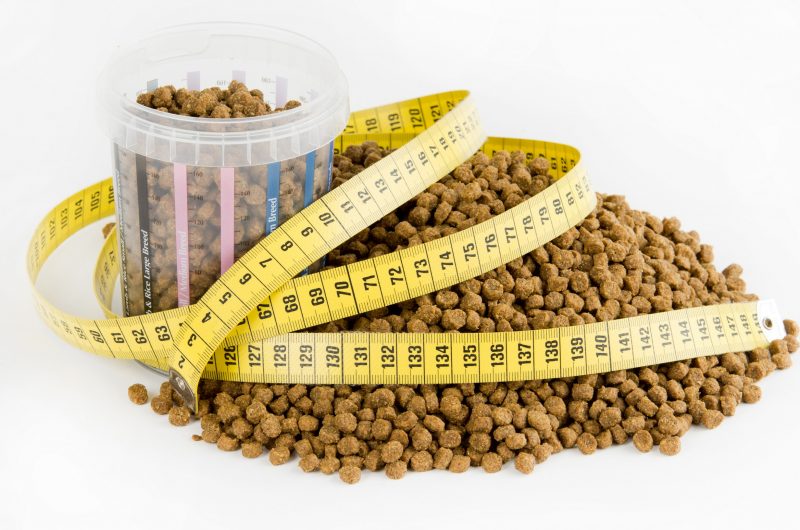
Obesity is one of the most common — and most serious — health problems we see in pets. An overweight dog or cat is at significantly higher risk for arthritis, diabetes, heart disease, respiratory issues, and a shortened lifespan. Many owners inadvertently overfeed their pets, especially when responding to begging or using food as a primary way to show affection.
If your pet is overweight, our team can help. We’ll calculate an appropriate daily caloric intake, recommend a suitable weight management diet, and develop an achievable exercise plan to help your pet reach and maintain a healthier body condition. Small, consistent changes make a big difference over time.
Prescription and Therapeutic Diets
For pets managing specific health conditions, prescription veterinary diets can be an important part of the treatment plan. We carry and recommend Royal Canin Veterinary-Exclusive diets, which are formulated to support conditions such as:
- Urinary health — Royal Canin Urinary Care
- Skin and food allergies — Royal Canin Hydrolyzed Protein
- Diabetes management — Royal Canin Diabetic
These diets are only available through veterinary practices and are formulated based on clinical research — they are a meaningful step above over-the-counter options for pets with specific medical needs. Our team will discuss whether a prescription diet is appropriate for your pet’s situation.
To schedule a nutritional counseling appointment or to discuss your pet’s diet, contact Egret Bay Veterinary Hospital today at (832) 632-1595. We serve League City, Webster, Friendswood, Clear Lake, Pearland, and surrounding areas in Galveston County, TX. Learn more about our full range of veterinary services to support your pet’s health from the inside out.
Frequently Asked Questions About Pet Nutritional Counseling
How do I know if I’m feeding my pet the right food?
The best diet for your pet depends on their species, age, breed, size, health status, and lifestyle. Many commercially available pet foods are adequate for healthy adult pets, but not all are created equal. Our veterinarians can evaluate your pet’s current diet, body condition, and health history to determine whether changes would benefit them — and recommend specific products if needed.
How much should I feed my dog or cat each day?
Feeding guidelines on pet food bags are a starting point, not a prescription. The right daily amount depends on your pet’s ideal body weight, activity level, life stage, and whether they are spayed or neutered. We can calculate a precise daily caloric target for your pet at your next visit.
Is my pet overweight, and how can I tell?
Pets at a healthy weight should have a visible waist when viewed from above and ribs that can be felt but not easily seen. If you have to press firmly to feel your pet’s ribs, or if they have no visible waist definition, they may be overweight. Your veterinarian will perform a body condition score assessment at every exam.
What is a prescription veterinary diet, and when is it necessary?
Prescription veterinary diets are therapeutic foods formulated to help manage specific medical conditions such as kidney disease, urinary issues, food allergies, diabetes, and gastrointestinal disease. They are only available through veterinary practices because they require professional guidance and monitoring. We carry Royal Canin Veterinary-Exclusive diets and can help determine if your pet would benefit.
Are grain-free diets good for dogs?
Grain-free diets have grown in popularity, but the FDA has been investigating a potential link between grain-free diets and dilated cardiomyopathy (DCM) in dogs — a serious heart condition. Current evidence suggests that not all grain-free diets carry the same risk, but this is an area where we recommend discussing your specific pet’s diet with your veterinarian before making changes.
How do I help my overweight pet lose weight safely?
Safe weight loss in pets is gradual — typically no more than 1–2% of body weight per week. Crash diets or drastic calorie cuts can cause muscle loss and health complications, especially in cats. We’ll develop a tailored weight loss plan that includes a suitable diet, appropriate portion sizes, and an achievable exercise routine for your pet.
Can my pet’s diet affect their skin or coat health?
Absolutely. Nutritional deficiencies — particularly in omega-3 fatty acids, protein, and certain vitamins and minerals — can cause a dull coat, dry skin, excessive shedding, and itchiness. If your pet’s skin or coat has changed, diet is one of the first places we look. A high-quality diet appropriate for your pet’s life stage can make a visible difference.